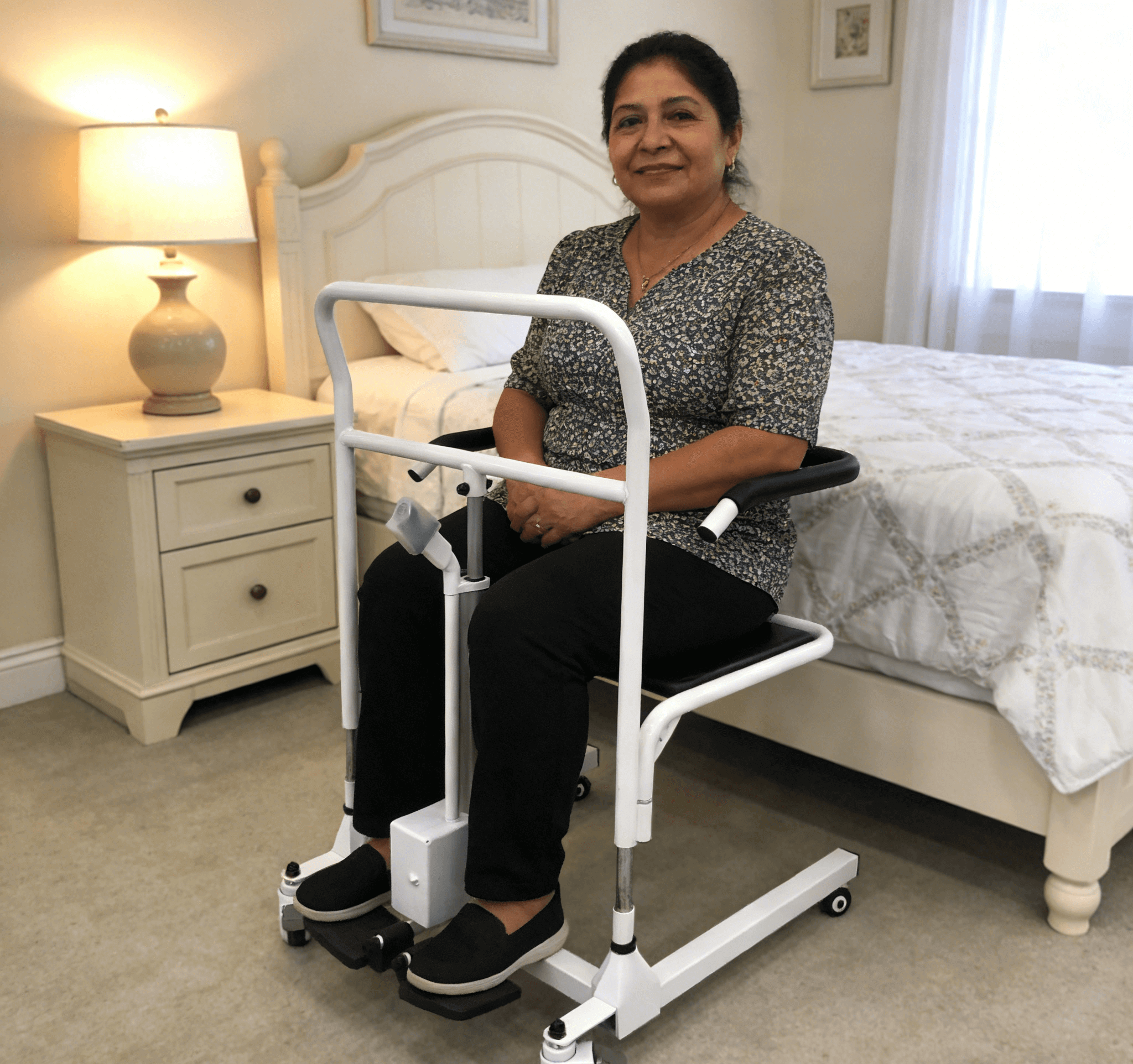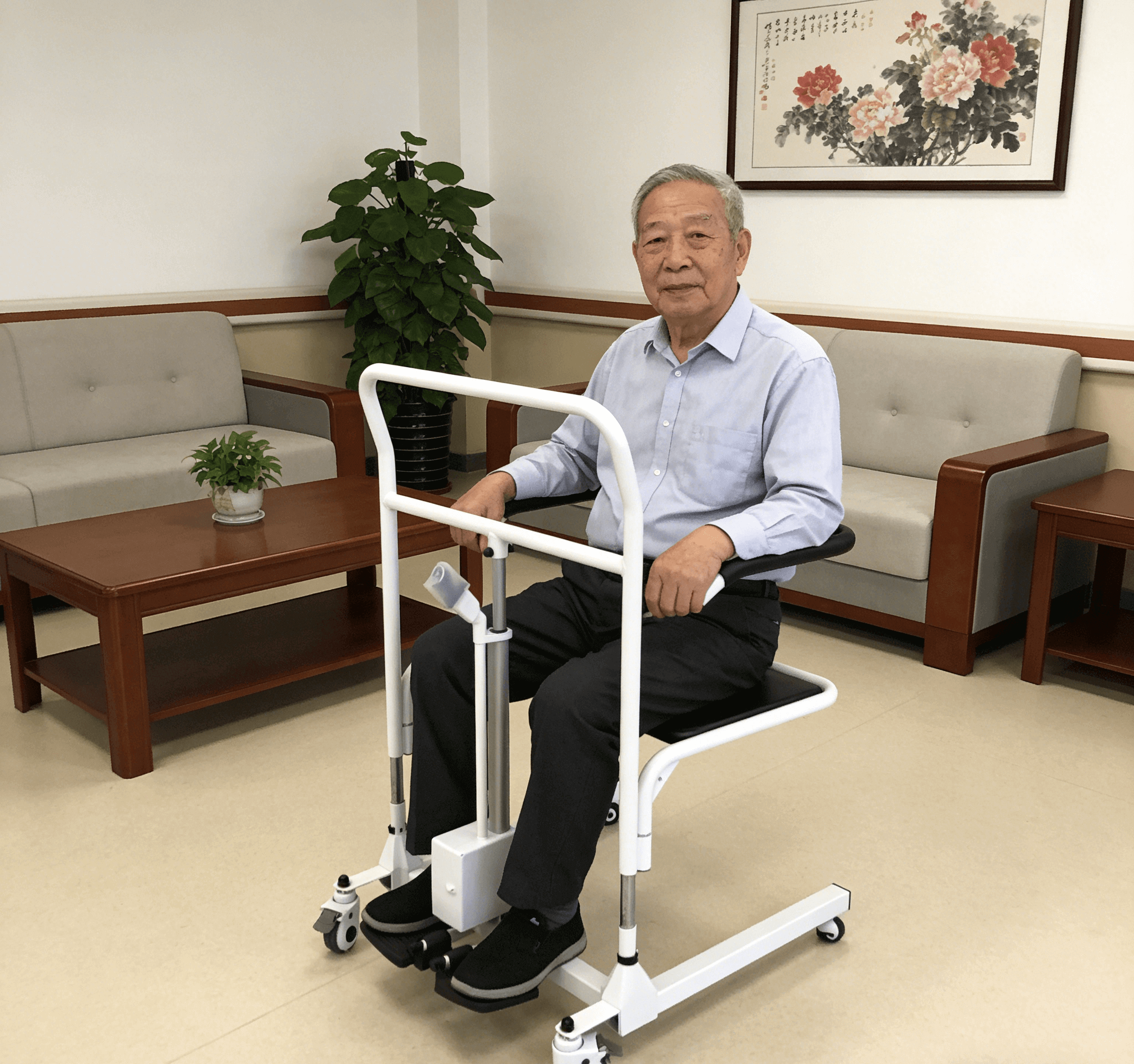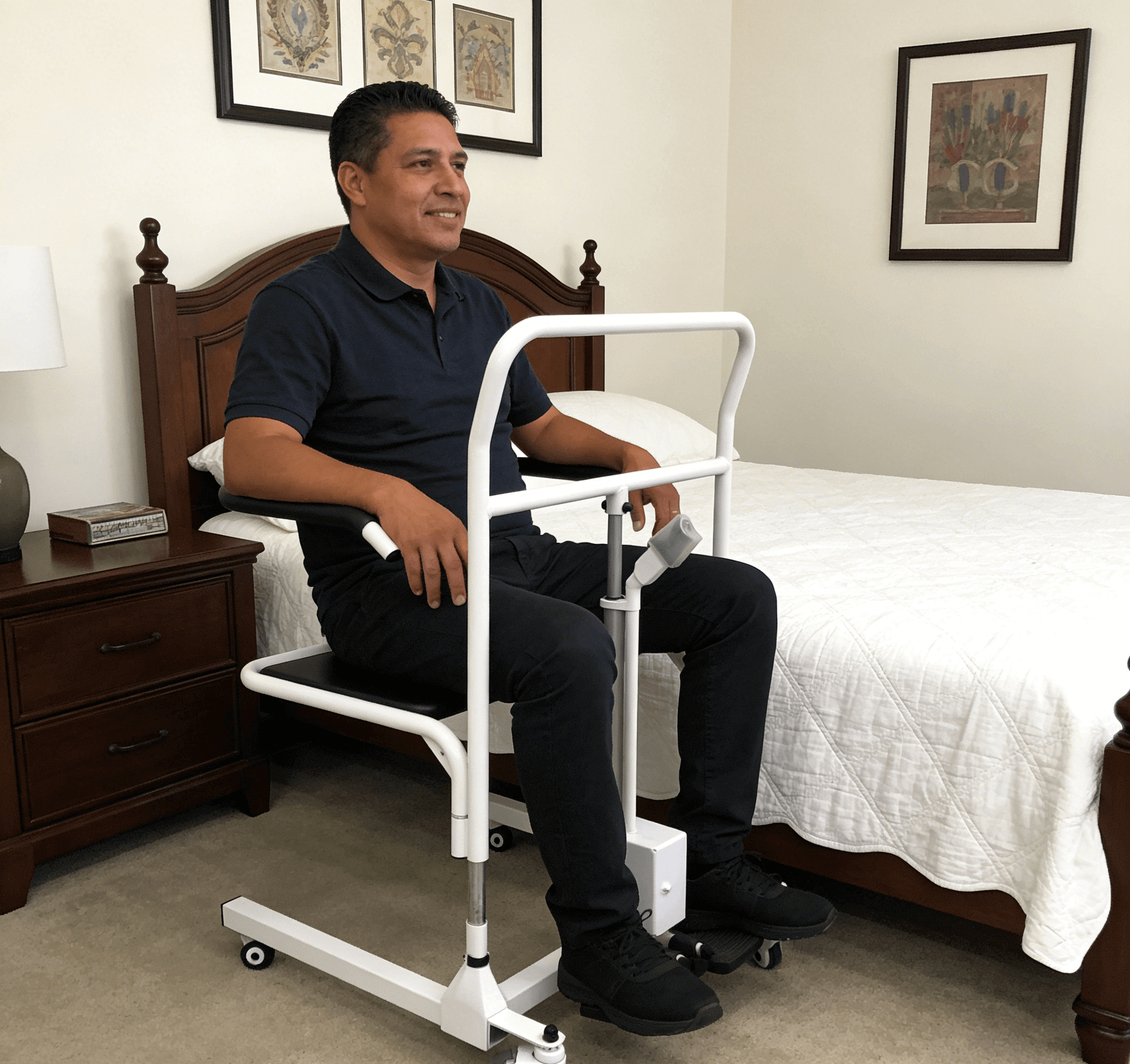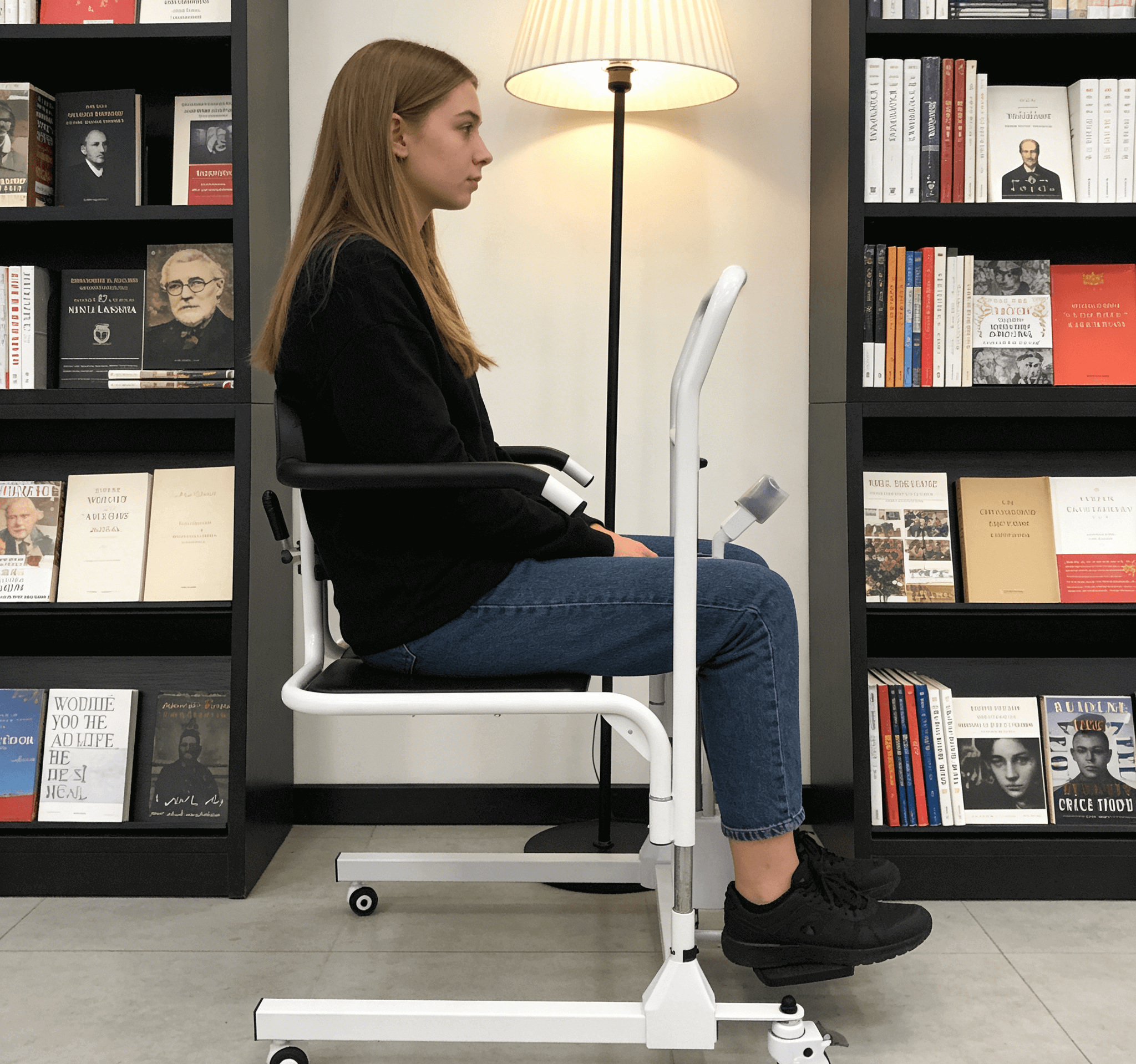
Category: power lift chairs
Posted by 2025-12-25 11:12
hoyer lift for walking
I. Core Function of Hoyer Lift: Safe Transfer, Not Walking Assistance
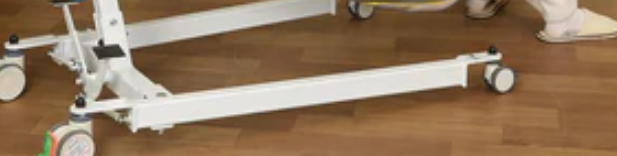
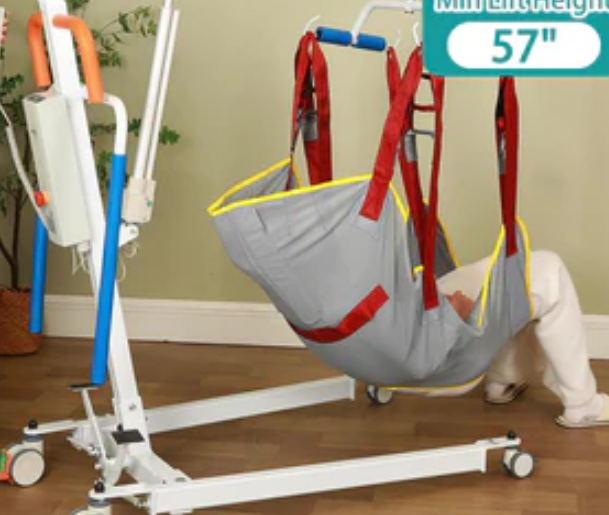
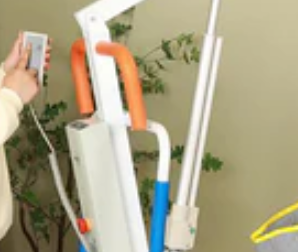
A Hoyer Lift is a patient transfer device widely used in homes, nursing homes, and hospitals. It fully supports the user’s body with a sling and uses a hydraulic or electric system to achieve smooth movement from the bed to locations such as wheelchairs, toilets, and shower chairs.
Typical application scenarios include:
Assisting bedridden elderly individuals in moving to wheelchairs
Helping patients with severe muscle weakness use the toilet
Preventing injuries caused by manual lifting during caregiving
✅ Key Features: The user’s feet are off the ground, bearing no weight and not participating in active movement.
For this reason, the functions of a Hoyer Lift and "walking" are mutually exclusive—it solves the problem of "being unable to move" rather than "how to learn to walk again."
II. Why Is "Hoyer Lift for Walking" a Misconception?
Although vague terms like "walking Hoyer lift" may appear on some e-commerce platforms or in non-professional descriptions, this often stems from the following confusions:
1. Misleading Similarity in Appearance
Some body weight support treadmill training (BWSTT) systems adopt a top suspension frame structure, which looks slightly similar to a Hoyer Lift, but their purposes are completely different:
Hoyer Lift: Fully supports the user’s weight and prohibits lower limb movement.
BWSTT System: Partially unloads body weight (e.g., 30%–50%), encouraging the user to keep their feet on the ground and take steps.
2. Overgeneralization and Misuse of Terminology
"Hoyer" has become a synonym for patient lifts, leading some merchants to label any device with a suspension frame as "Hoyer-style," causing conceptual confusion.
3. Rational Expectations of Family Caregivers
Family members may hope that "one device solves all problems," mistakenly believing that they can first use the lift to help the user stand up and then assist them in walking. However, in practice, the sling restricts the free movement of the hip, knee, and ankle joints, which instead hinders gait training.
⚠️ Risk Warning: Attempting to walk while supported by a Hoyer Lift sling may lead to:
Solidification of abnormal gait
Falls (due to unstable center of gravity)
Skin shear injuries or pressure from the sling
III. What Devices Truly Support Walking Rehabilitation?
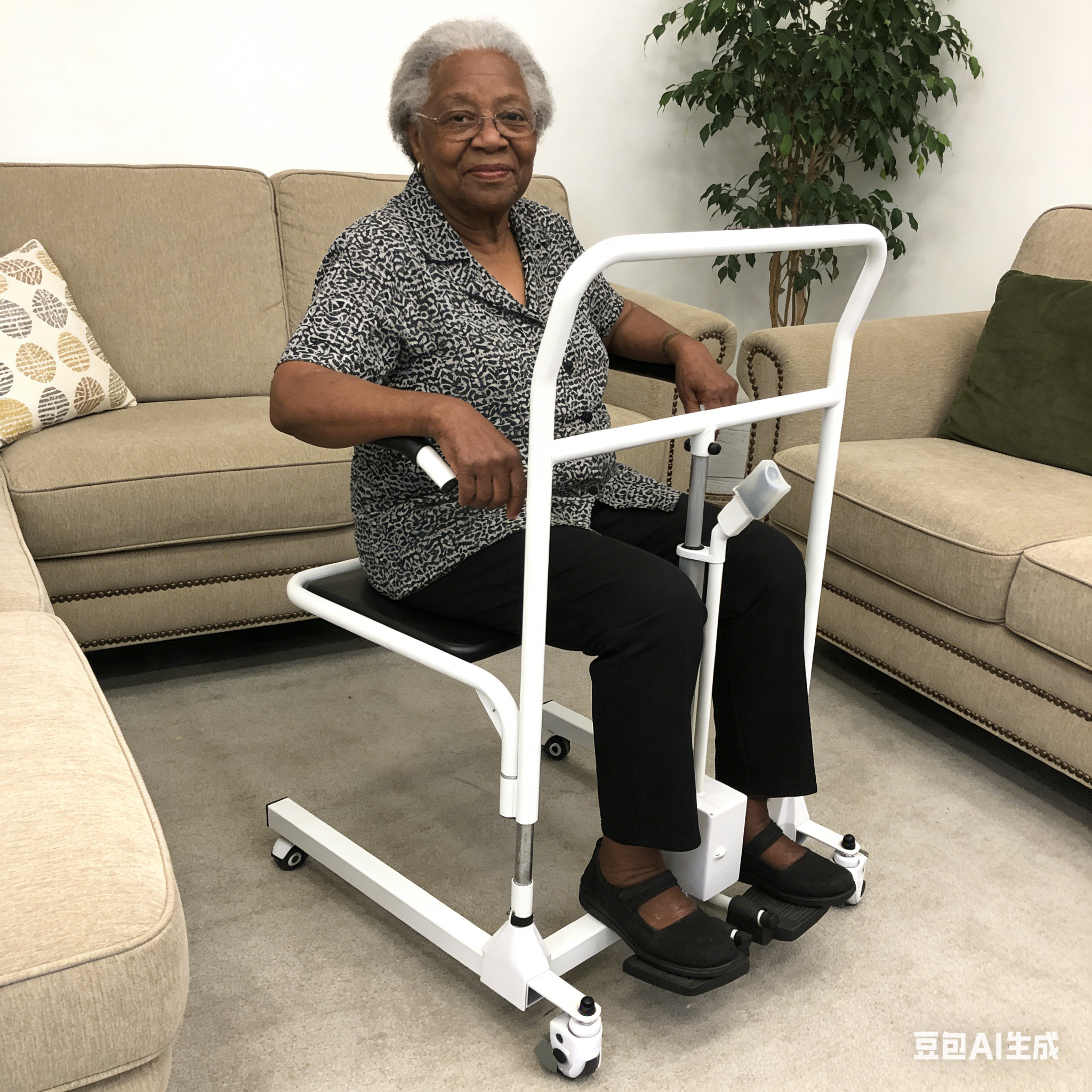
If you or your family member is in the rehabilitation stage after a stroke, spinal cord injury, Parkinson’s disease, or surgery and wishes to regain walking ability, pay attention to the following clinically validated walking assistance technologies:
1. Body Weight Support Treadmill Training (BWSTT) System
Principle: Uses a flexible sling from above to partially unload body weight, allowing the user to safely take steps on a treadmill or the ground.Advantages:
Reduces fear of falling
Repeats standardized gait patterns
Activates neuroplasticity
Representative Devices: LiteGait®, Andago® (Hocoma), ZeroG (Aretech)